Tea Plantations in Munnar
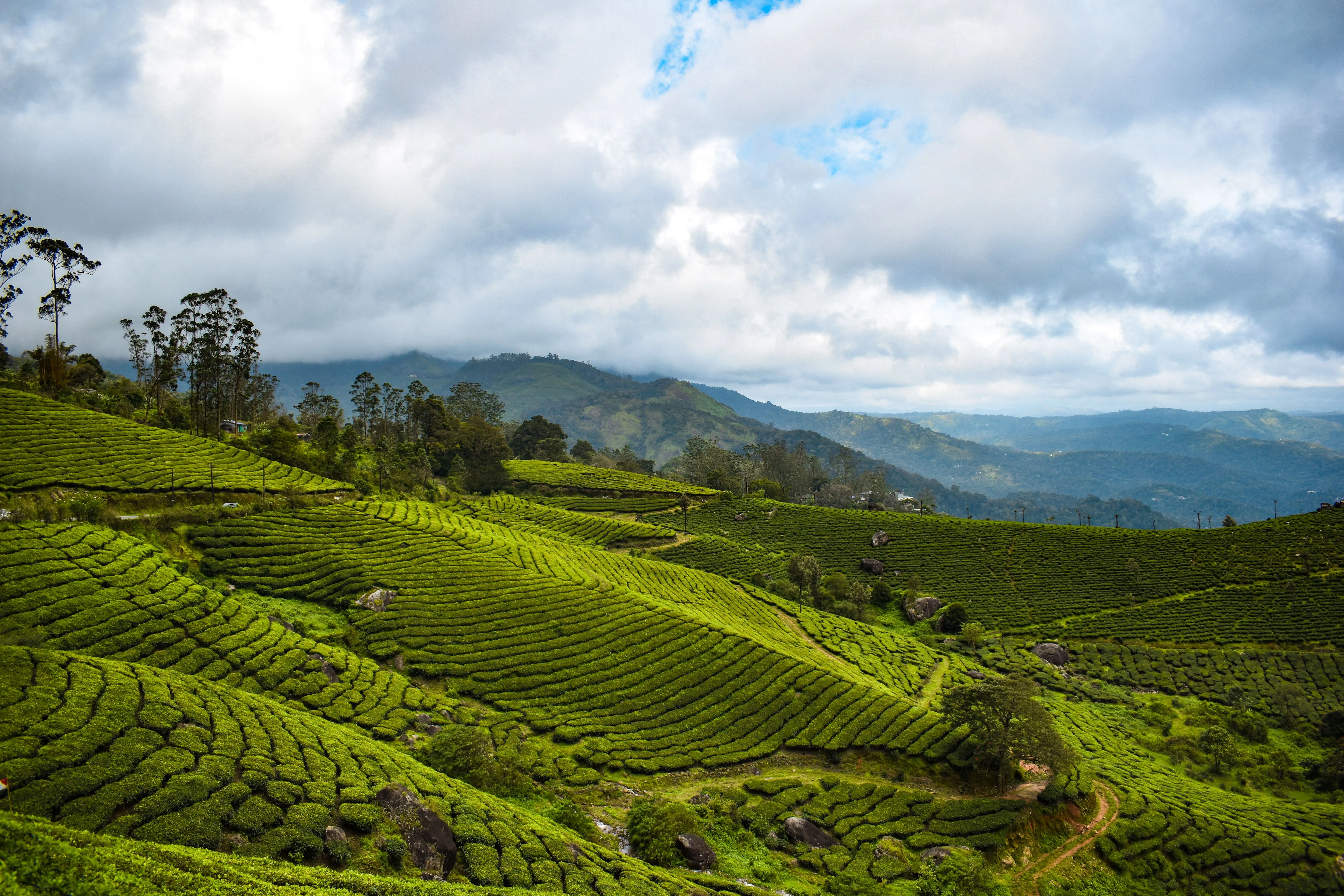
Tea Plantations in Munnar
See the Tea Country That Shaped Munnar
The tea plantations in Munnar are one of the first things you notice as you travel through the hills. Long rows of tea bushes follow the contours of the slopes, broken occasionally by forest patches, winding roads and small streams.
For many visitors, seeing the plantations from a viewpoint is only part of the experience. The real charm comes from driving through the estates, stopping at a viewpoint, learning how tea is processed and seeing how closely the crop is tied to everyday life in the region.
Munnar's tea-growing history goes back to the late 19th century, when commercial cultivation began in the high ranges of present-day Idukki. Today, tea remains a defining part of the area's identity, with Kannan Devan Hills Plantations (KDHP) being one of the major tea producers associated with the region.
For travellers planning Munnar sightseeing, the tea estates are easy to combine with other attractions around the hill station. They also give you a different way to experience Munnar beyond the usual viewpoints. For more ideas, explore our guide to 10 places for Munnar sightseeing.
Why Are Munnar Tea Plantations Famous?
A Long History of Tea Growing in the High Ranges
Munnar's elevation, cooler climate and suitable rainfall helped make the region an important tea-growing area. The plantations spread across the hills and became closely connected with the development of Munnar as a hill destination.
The history of organised tea cultivation in Munnar is linked with early British-era plantation companies, including the Kannan Devan Hills Produce Company. The plantation economy later developed into the cooperative structure associated with KDHP.
That history is still visible today. Tea factories, estate roads, workers' settlements and carefully maintained tea fields form part of the everyday character of the region.
What Can You Do at a Tea Plantation in Munnar?
A visit to a tea plantation in Munnar can be as simple or as detailed as you want it to be.

Walk Through the Tea Gardens
A guided walk through a tea estate lets you see how tea bushes are planted across the slopes. The rows are usually kept at a manageable height so that the tender leaves can be picked by hand.
Morning walks can be especially pleasant. The air is cooler, and the hills often have a light mist hanging over them.
Learn How Tea Is Made
Some tea experiences in Munnar include visits to a tea factory or museum where visitors can learn about the production process.
You may see different stages such as withering, rolling, oxidation and drying before the finished tea is graded and packed. The exact process varies according to the type of tea being produced.
For someone who has only ever seen tea in a packet, this part of the visit can be surprisingly interesting. You can also visit the Munnar Tea Museum to learn more about the region's tea-making history.
Stop for Tea and Mountain Views
There is something fitting about having a fresh cup of tea while looking across the same hills where the leaves were grown.
Several viewpoints and estate areas around Munnar provide opportunities to stop, take photographs and enjoy the scenery without rushing through the visit.
Munnar Tea Museum
One of the better-known places to learn about the history of tea in the region is the KDHP Tea Museum in Munnar.
The museum documents the development of tea cultivation in the area and displays equipment and information connected with the history of tea production. It offers useful context before or after visiting the plantations themselves.
If you're interested in the history behind Munnar's tea estates, adding the museum to your Munnar travel guide can make the plantation experience more meaningful. You can also explore other nearby destinations around Munnar when planning your itinerary.
Best Time to Visit Munnar Tea Plantations
There is no single month that works for every traveller.
The cooler months are generally comfortable for spending time outdoors and exploring the estates. The monsoon brings more rain, and the hills become particularly green, although wet weather can affect outdoor walks and visibility.
The Munnar weather can change quickly because of the area's elevation. A morning that starts bright can turn cloudy or rainy later in the day. If you're planning a plantation walk, check the forecast and confirm the activity timings with the estate or tour provider.
Early morning is often a pleasant time for photography, especially when mist sits between the tea-covered slopes.
Where to See Tea Plantations in Munnar

You don't have to travel to one specific estate to see Munnar's tea country. Tea-growing areas are spread across several parts of the region.
The roads around Mattupetty, Kundala and Top Station offer plenty of views of tea-covered hills. The drive itself can be part of your sightseeing plan.
Some travellers prefer a guided plantation experience, while others simply want to stop at a viewpoint and photograph the estates. Both work, depending on how much time you have.
Tea Plantations and Munnar Sightseeing
A tea plantation visit fits easily into a wider Munnar sightseeing tour.
A day around the eastern side of Munnar can include:
Munnar → Mattupetty Dam → Echo Point → Kundala Lake → Top Station
Along the route, you'll pass stretches of tea-growing country and several places where you can stop for photographs.
Other Munnar tourist attractions can be planned on separate days, particularly if you want enough time for a tea factory visit or guided plantation walk. Use our Munnar sightseeing guide to organise your visits according to the time you have available.
Why Tea Matters to Munnar
Tea is more than something visitors come to photograph.
Thousands of people in the Munnar region are connected directly or indirectly with plantation work. The crop has influenced local settlements, roads, factories and the economic history of the high ranges.
That is why spending time in the tea estates can give you a better understanding of Munnar itself. The green slopes aren't simply scenery created for tourism. They are working plantations with a long history behind them.
Stay at T&U Leisure Hotel and Explore Munnar's Tea Country
MaxiMunnar T&U Leisure Hotel is located on Mattupetty Road, Munnar, giving guests convenient access to several popular sightseeing areas and tea-growing regions.
From the hotel, guests can plan visits towards Mattupetty Dam, Echo Point, Kundala Lake and Top Station, while also exploring the tea plantations along these routes.
The T&U team can assist guests with local sightseeing, transportation and excursion planning. After a day spent travelling through the tea estates, guests can return to the hotel for a meal at the multi-cuisine restaurant, relax in one of the available rooms and suites or spend some time using the property's facilities.
Frequently Asked Questions About Tea Plantations in Munnar
1. What are Munnar tea plantations known for?
The tea plantations in Munnar are known for their neatly arranged tea gardens spread across the hills and valleys around the region. Tea cultivation is closely linked with Munnar’s history and local economy. For visitors, walking through the gardens, seeing tea being picked and learning about tea production are popular parts of a Munnar sightseeing experience.
2. Where can I see tea plantations in Munnar?
Tea gardens can be seen across several parts of Munnar, including the roads leading towards Mattupetty Dam, Echo Point, Kundala Lake and Top Station. The scenery changes with the route, but the green tea-covered slopes are a familiar part of the area. Travellers using a Munnar travel guide will often find tea estates included among the main places to visit in Munnar.
3. Can tourists visit a tea factory in Munnar?
Yes, some tea factories in and around Munnar allow visitors to learn about the tea-making process. Depending on the location and operating schedule, visitors may see how freshly collected tea leaves are processed, dried and prepared. A tea factory in Munnar can be a useful stop for travellers who want to understand how the tea seen across the plantations reaches the final product. The Munnar Tea Museum is another option for learning about the local tea industry.
4. What can you do at a tea plantation in Munnar?
A visit to a tea plantation can include walking through the tea gardens, taking photographs, learning about tea cultivation and visiting a nearby tea factory or museum. Some organised experiences may also explain tea plucking and processing. These activities can easily be included in a wider Munnar sightseeing tour with stops at attractions such as Mattupetty Dam and Echo Point.
5. What is the Munnar Tea Museum?
The Munnar Tea Museum, associated with the KDHP Tea Museum, introduces visitors to the history and development of tea cultivation in the Munnar region. Exhibits explain aspects of tea production and the history of the local tea industry. It is a useful addition to a visit focused on Munnar tea plantations.
6. What is the best time to visit the tea plantations in Munnar?
The more comfortable months for outdoor sightseeing are generally during Munnar's drier and cooler periods. The Munnar weather can change with the season, and monsoon months can bring heavier rain and reduced visibility. For a plantation visit, check the local weather before travelling, particularly if you plan to spend time outdoors.
7. Are Munnar tea plantations suitable for photography?
Yes. The rows of tea bushes across the hills provide plenty of opportunities for photography. Early morning can offer softer light and cooler conditions, while mist around the plantations can create a different view after rain. Visitors should stay within permitted areas and avoid entering restricted sections of working tea estates.
8. What other places can I visit near Munnar tea plantations?
Several Munnar tourist attractions can be combined with a tea plantation visit. Mattupetty Dam, Echo Point Munnar, Kundala Lake and Top Station are popular choices, depending on your route and available time. This makes it possible to plan a full day of Munnar sightseeing around the tea-growing areas.
9. How long should I spend visiting the tea plantations in Munnar?
For a simple stop and photographs, an hour may be enough. If you plan to visit a tea factory, explore a museum and spend time walking through permitted plantation areas, allow more time. The duration also depends on how many other places to visit in Munnar you plan to cover on the same day. Our Munnar sightseeing guide can help you plan the rest of your itinerary.
10. Can tea plantation visits be included in a Munnar sightseeing itinerary?
Yes. Tea plantations fit naturally into many Munnar sightseeing plans. You can combine a plantation or tea factory visit with attractions such as Mattupetty Dam, Echo Point Munnar, Kundala Lake and Top Station. The best route depends on your starting point, weather and the opening hours of individual attractions.
11. Are tea plantations among the best places to visit in Munnar?
For travellers interested in Munnar's scenery, local agriculture and tea heritage, the plantations are certainly worth including in a list of places to visit in Munnar. They also give visitors a chance to see an important part of everyday life in the hill region rather than visiting only viewpoints and tourist attractions.
12. Can guests at T&U Leisure Hotel visit Munnar tea plantations?
Yes. MaxiMunnar T&U Leisure Hotel, located on Mattupetty Road, provides a convenient base for exploring several Munnar attractions and tea-growing areas. Guests can plan plantation visits along with Mattupetty Dam, Echo Point, Kundala Lake and Top Station, depending on their sightseeing schedule. The hotel team can also assist with local sightseeing and excursion arrangements.
